Moa
There are moments that come without warning, turn our world upside down, and change the way we see life.
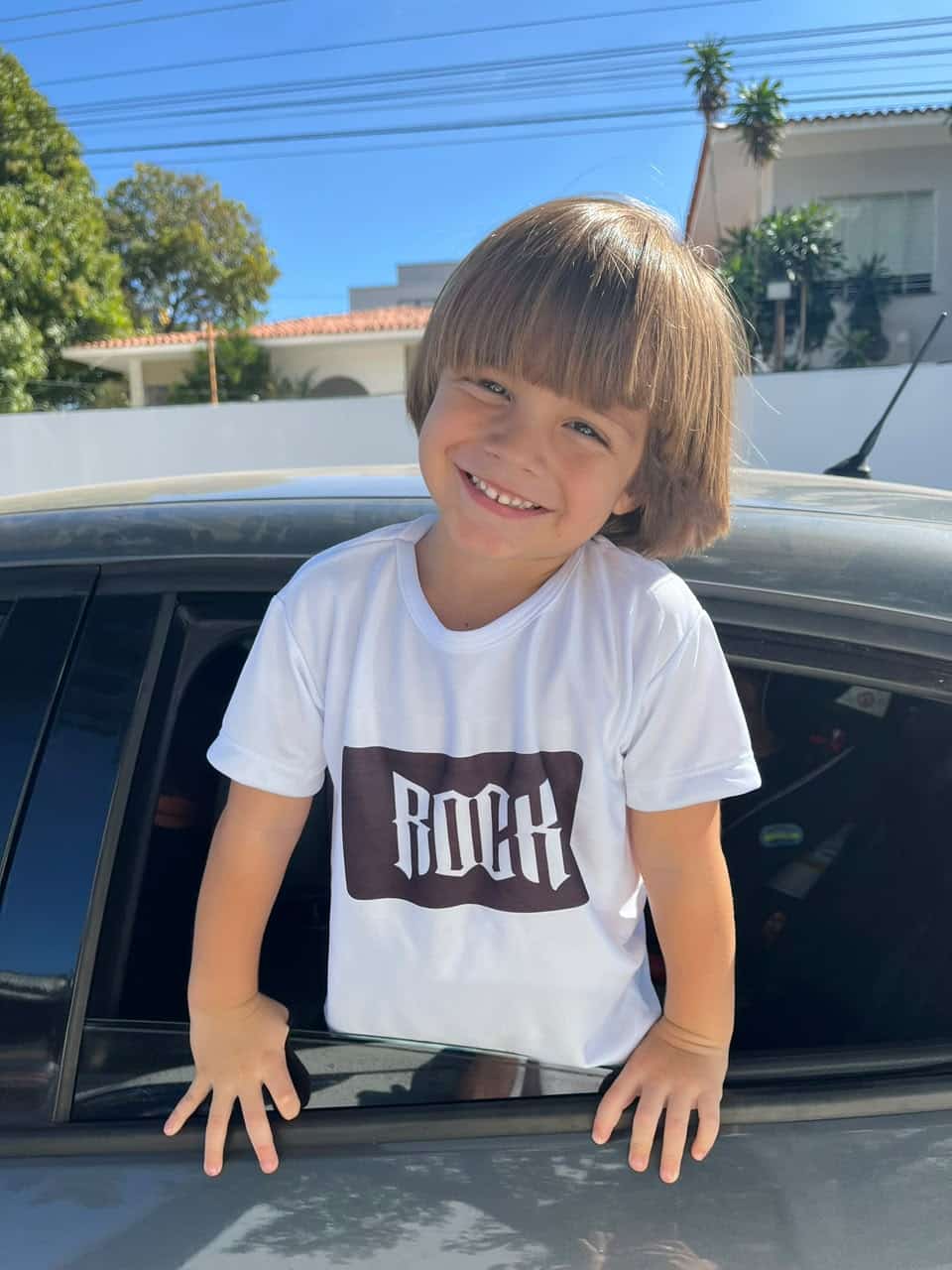
Moa had always been a very active and healthy child. He rarely got sick or showed any signs of concern. At age five, subtle signs began to appear: a few falls that seemed like normal childhood tumbles, and episodes of vomiting that we thought were caused by a virus. On Children’s Day in 2025, while he was playing, Moa said he couldn’t see properly. That caught our attention. The next day, we took him to an ophthalmologist. She noticed inflammation of the optic nerve and ordered imaging tests. That was how we discovered the tumor.
Moa underwent two surgeries: one to relieve the hydrocephalus and another to remove the tumor. The MRI showed that the disease had already spread throughout his central nervous system, with metastases in his spine. At that moment, I could not fully grasp what lay ahead.
That was when MBI came into our lives, providing information about possibilities we did not know existed. Given the seriousness of Moa’s condition, my friends organized a fundraising campaign to help us seek better treatment. We never imagined it would reach beyond our borders. A scientist at St. Jude Children’s Research Hospital in the United States saw the campaign online and brought Moa’s case to the medical team. The hospital agreed to take his case, and we had only a few days to get there and begin treatment. We quickly mobilized to obtain emergency passports and visas.
We set out in search of hope. When we arrived at St. Jude, I learned more about the disease and came to understand that not all medulloblastomas are the same. The team analyzed Moa’s tumor tissue and identified specific biological and molecular characteristics. This information helped refine his classification and informed more individualized treatment decisions. I learned that research and information open doors and save lives. I also realized that these technologies are still not available at every treatment center, even though every child should be able to benefit from these advances and from the possibilities that research can offer.
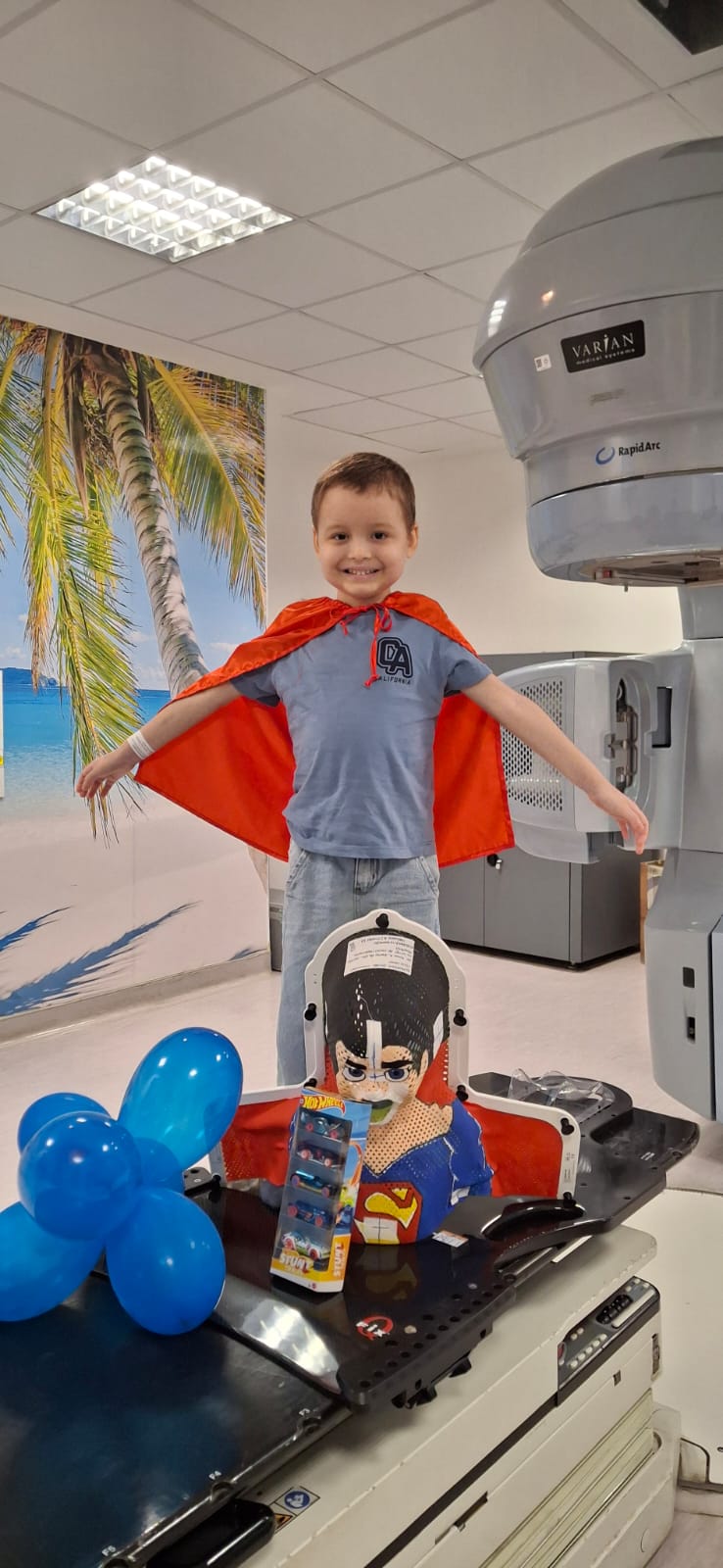
After the surgeries, the challenges continued throughout treatment. Moa went about two months without speaking and six months without walking. In all, he received 30 sessions of proton therapy and four cycles of chemotherapy. Despite everything, he made progress day after day. He faced each stage with a strength and courage that amazed us. He never complained about going to the hospital or about the nausea. His courage gave me the strength to keep going; it was my fuel every day.
By the end of treatment, he had fully regained his speech and was walking without assistance. By the grace of God and science, his scans showed complete remission. Today, he still has some balance issues, but he continues to improve.
When I look back on this journey, I see so many blessings: the generosity of our friends, the information MBI shared with us, scientific research, the extraordinary care we received at St. Jude, and, above all, the strength of my boy. MBI opened our family’s eyes to new possibilities.
Our story taught me that information can change the course of a journey and that, even when everything seems impossible, new doors can open.
Rafaella, Moa’s mother