


The Medulloblastoma Initiative
Impact Report
June 2026


Lynne El Ghorayeb PharmD (left), and Dalia Haydar, PharmD, PhD, who leads an immunotherapy lab at Children’s National Hospital, prepare to launch a new clinical trial with support from the Medulloblastoma Initiative
FROM NEW COLLABORATIONS
TO GROUNDBREAKING TRIALS
❝ CAR T-cell technologies represent a tremendous opportunity to improve outcomes for medulloblastoma patients.”
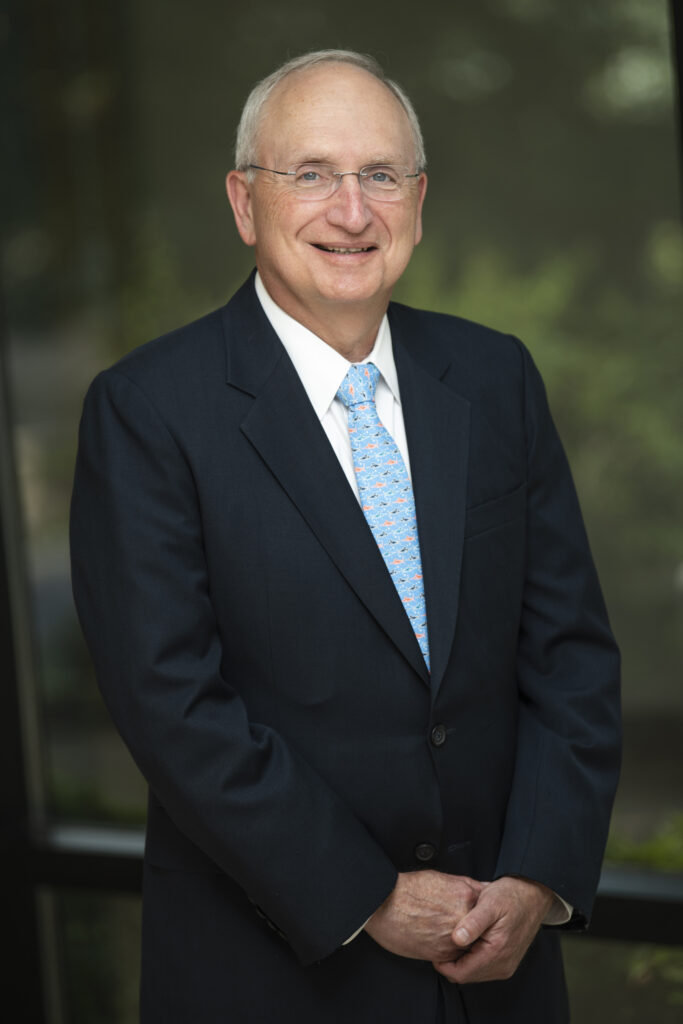
- Roger J. Packer, MD, guides MBI’s scientific efforts and leads the Brain Tumor Institute at Children’s National Hospital in Washington, D.C.
The Medulloblastoma Initiative (MBI) continues to race against the clock to discover cures for the most common type of malignant brain tumor in children. Up to one in three patients with medulloblastoma worldwide will not survive because we lack effective treatment options for relapses.
In April, less than a year after launching our MATCHPOINT immunotherapy trial (see page 4), we witnessed the debut of our second U.S. Food and Drug Administration (FDA)-authorized trial. Our messenger RNA (mRNA)-based vaccine study began recruiting patients and offering new hope to families (see page 5).
MBI also expanded its research network to accelerate progress. Experts from the Children’s Hospital of Philadelphia (CHOP) and Seattle Children’s Hospital joined MBI’s scientific dream team. They will bolster an effort led by Children’s National Hospital in Washington, D.C., to develop chimeric antigen receptor (CAR) T-cell therapies for medulloblastoma.
CAR T cells engineer a patient’s T cells, a type of white blood cell, to seek and destroy cancer cells. Children’s National will apply for FDA approval for a promising first-in-human CAR T-cell trial this year (see page 6).
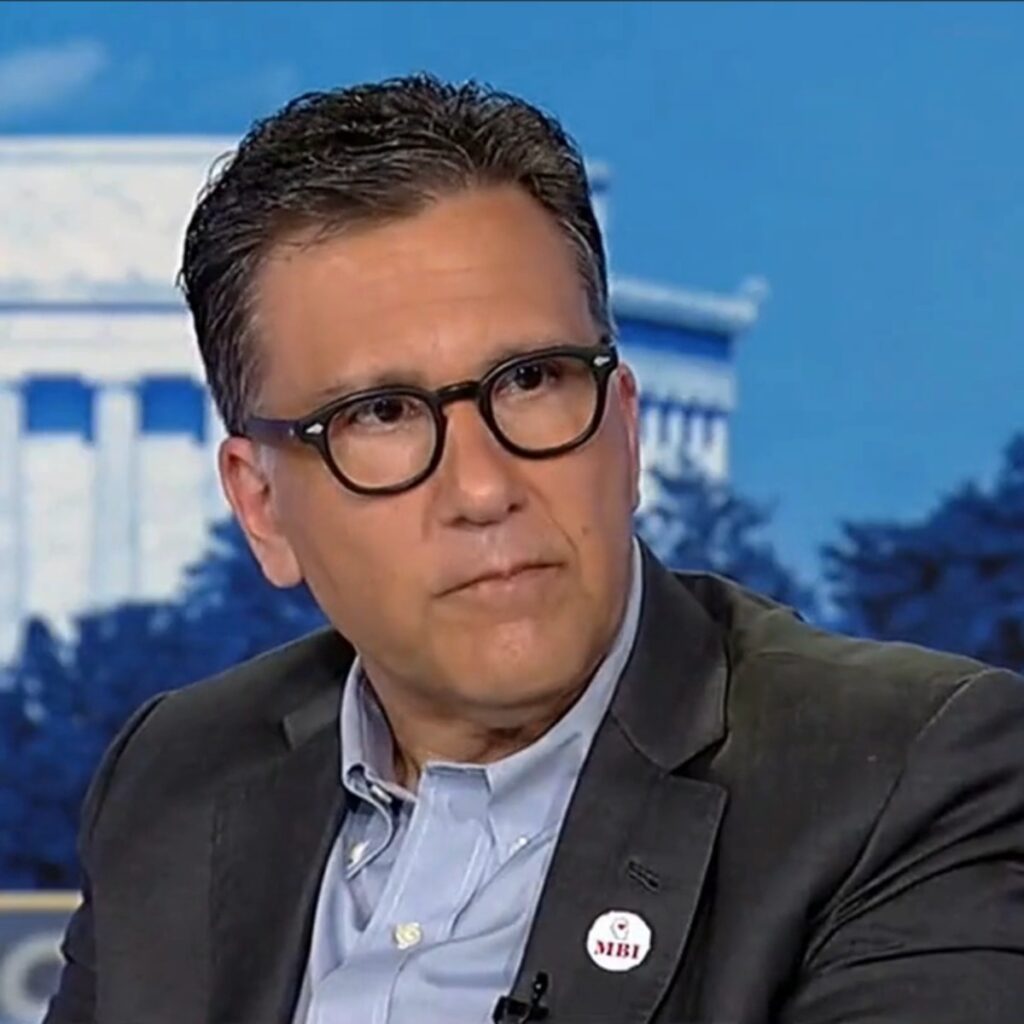
❝ Donations to MBI will launch new clinical trials. Our community set in motion an unprecedented effort to pioneer therapies that will help us get even closer to cures."
— Fernando Goldsztein, MBA, founder, the Medulloblastoma Initiative
Such a rapid pace of achievement reflects MBI’s relentless drive to discover a cure for medulloblastoma.
The courage of patients and families strengthens our scientists’ resolve to advance research. “Every moment counts,” Dr. Packer says. “We have no time to be sequential. MBI is designed to move things forward concurrently. Every researcher shares their data right away.”
MBI and Children’s National are deeply grateful for your support for our global movement. This report highlights progress through early 2026, with a special focus on the latest developments in immunotherapy.

A Promise Shared
To learn more about MBI and our promise to children everywhere, watch our newest MBI video.
Scan the QR Code or go to mbinitiative.org
MBI CLINICAL TRIALS
REACH NEW MILESTONES
MBI’s FDA-approved clinical trials made important strides toward potential breakthroughs in the first half of 2026.
MATCHPOINT
Several patients have been treated since the start of the MATCHPOINT trial, led by Duane Mitchell, MD, PhD, at the University of Florida.
MATCHPOINT combines the patient’s T cells with a drug that helps the immune system overcome the tumor’s defenses. Before receiving the therapy, patients receive a series of vaccinations using their own dendritic cells — a type of immune cell that helps T cells recognize cancer cells. “We hope to see anti-tumor efficacy,” Dr. Mitchell says. “We think we
will confirm the feasibility and look forward to establishing safety and
clinical response.”
FDA-approved in 2024, MATCHPOINT will become a multi-site trial when it begins to enroll patients at Children’s National later this year. It offers
tangible hope for patients who currently lack treatment options.
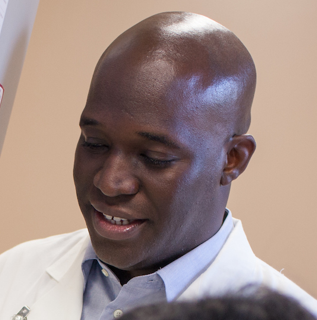
Duane Mitchell, MD, PhD, leads the MATCHPOINT trial
❝ I don’t know that this trial is going to be the cure, but the foundation that’s being laid will be. MBI’s investment made this possible.”
— Elias Sayour, MD, PhD
mRNA Vaccine Trial
In April, patient recruitment began in the trial led by Elias Sayour, MD, PhD. Dr. Sayour is advancing an mRNA-based immunotherapy platform designed to deliver personalized cancer vaccines. Both the Pediatric Neuro-Oncology Consortium (PNOC), a global research organization, and the FDA have approved the trial.
Over the last year, Dr. Sayour has made steady progress in manufacturing the vaccine at the University of Florida.
“No other academic center in the world has done what we are doing,” Dr. Sayour says, describing the process of producing mRNA lipid nanoparticle vaccines in his lab. He has also established a protocol for delivering them safely to additional sites for patient treatment.
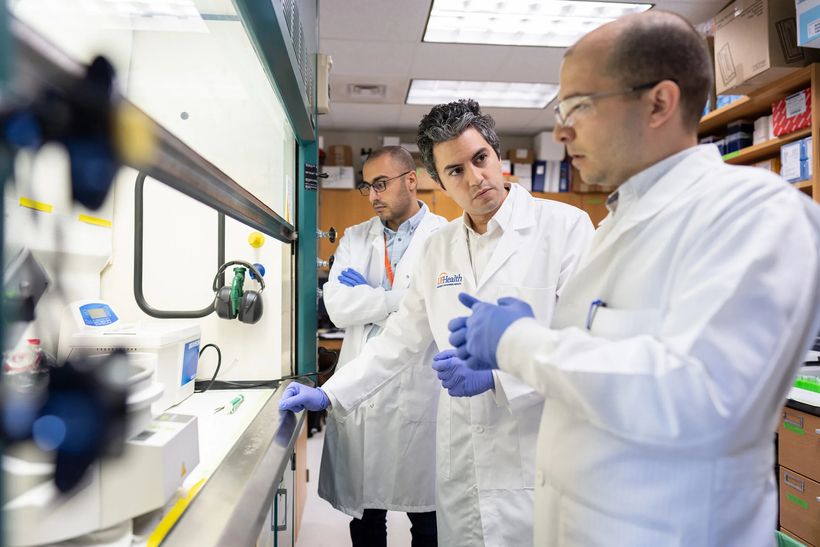
Elias Sayour, MD, PhD (center), leads a pioneering mRNA vaccine research effort aimed at curing medulloblastoma
THE NEXT STEP IN CAR T-CELL TECHNOLOGY
New trials exploring unique approaches follow in the steps of MBI’s two ongoing studies.
A Bold Plan to ‘DEFEAT’ Medulloblastoma
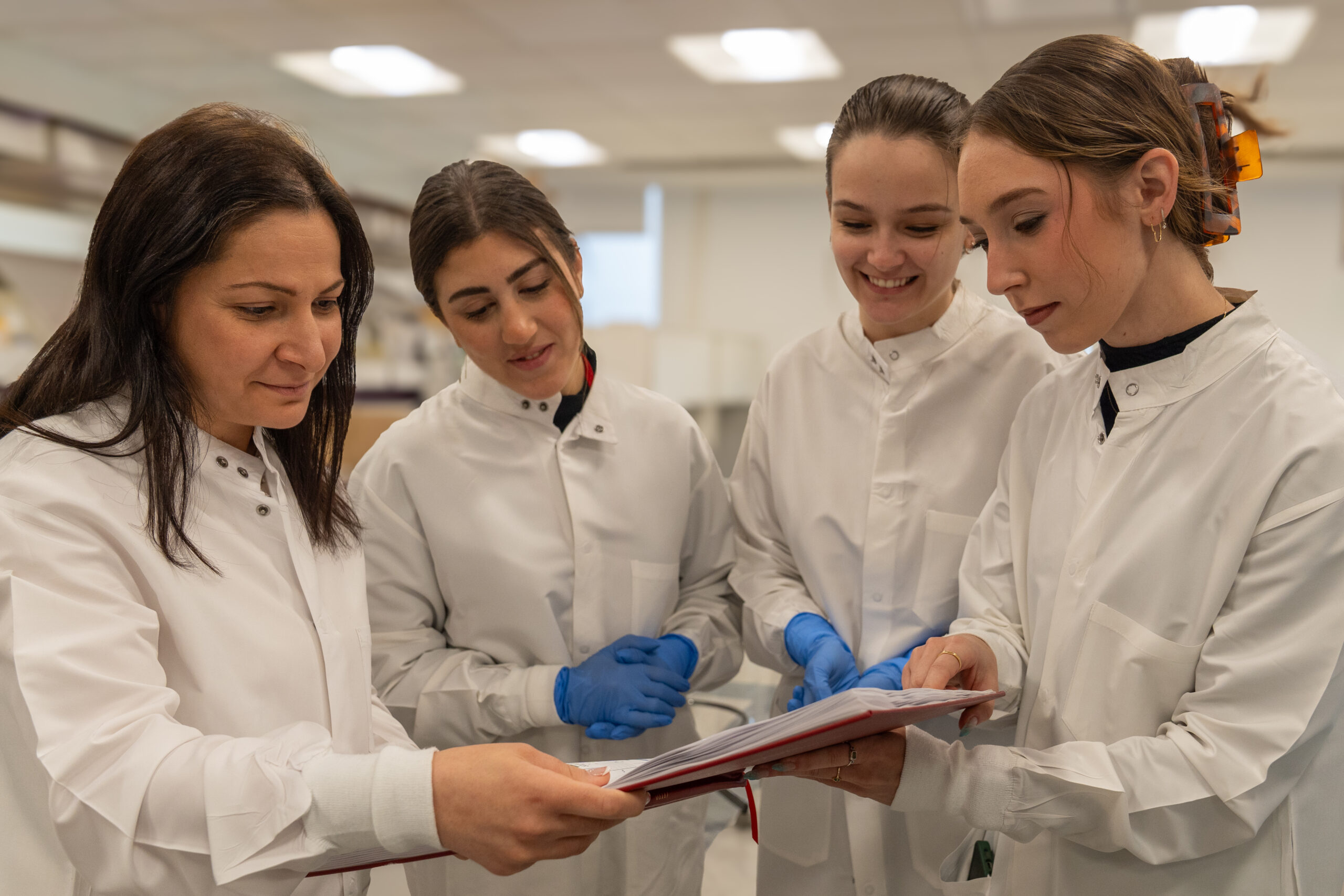
Dr. Haydar (left) compares notes with her DEFEAT-MB research team at Children’s National
Dalia Haydar, PharmD, PhD, a scientist at Children’s National, is deeply committed to finding a cure for children with relapsed medulloblastoma. “I go to sleep thinking about this research. I wake up thinking about it,” she says. Thanks to MBI, Dr. Haydar has the opportunity of a lifetime to make it happen. She is preparing to launch a new clinical trial by the end of 2026.
The first-in-human trial, called DEFEAT-MB, specifically targets two protein markers commonly expressed by medulloblastoma tumors: GPC2 and B7-H3. This unique approach has the potential to eliminate tumor cells while sparing healthy cells.
“This is the next step in CAR T-cell technology,” Dr. Haydar says. “If you target only one marker, some cancer cells can escape by not showing it. By targeting two markers at once, the therapy has a better chance of finding and destroying more tumor cells. It may also help keep the immune cells active longer, preventing them from becoming worn out.”
Dr. Haydar’s team tested more than 20 designs to find the most effective and durable option. “We wanted to systematically and confidently pick something that would stand up against different aggressive medulloblastomas,” she says.
❝ Without the investment and support of MBI, this trial would not open for another five years."
— Dalia Haydar, PharmD, PhD
The trial will focus first on children with the most difficult-to-treat forms of medulloblastoma (Group 3 and Group 4), especially those who no longer respond to standard therapies.
Dr. Packer will serve as the study’s clinical principal investigator. Catherine Bollard, MBChB, MD, senior vice president and chief research officer at Children’s National, will guide the project’s FDA trial application as its clinical sponsor.
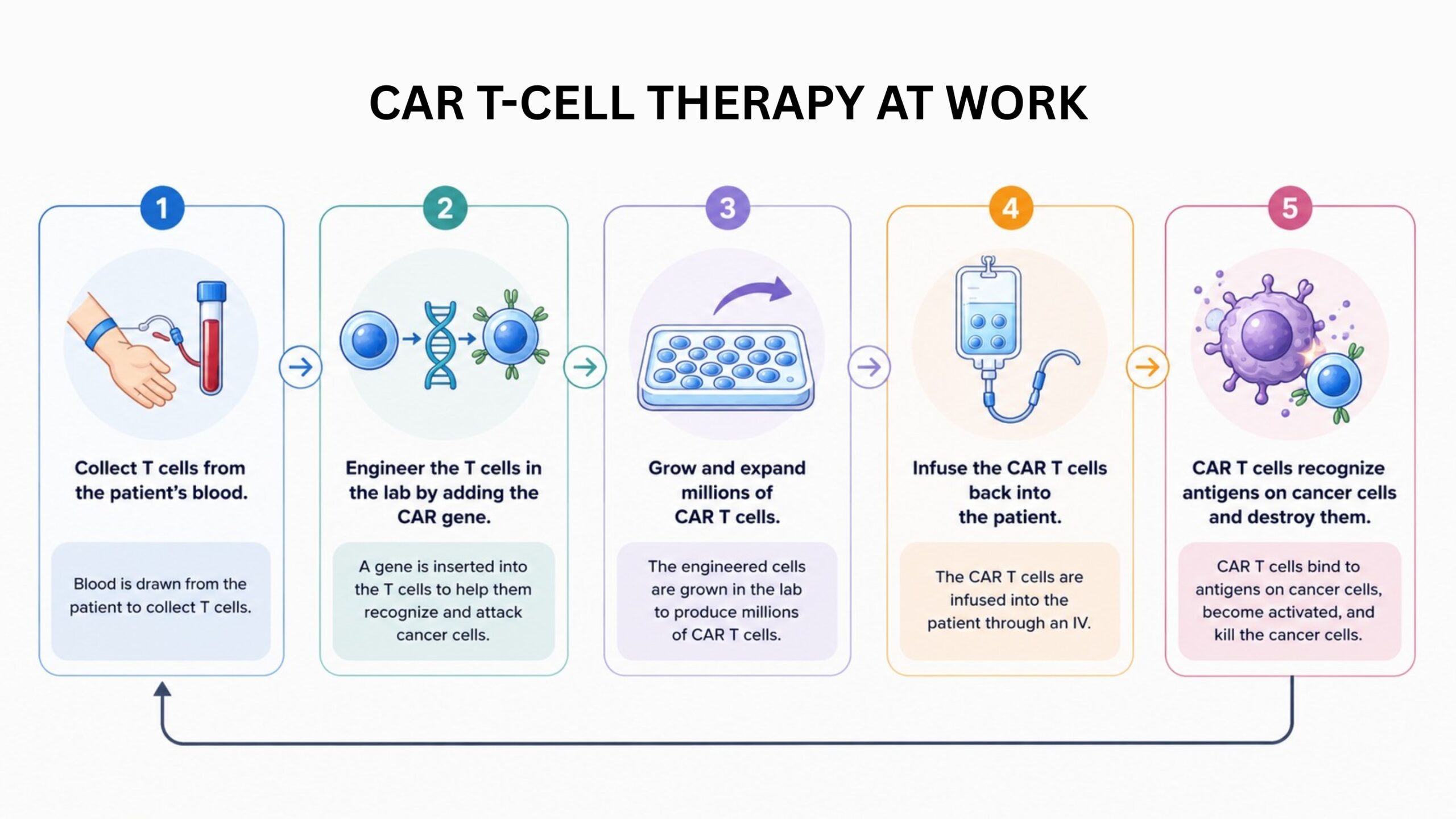
Reinfusion
Infographic adapted from the National Institute of Cancer
(https://www.cancer.gov/about-cancer/ treatment/research/car-t-cell-therapy-infographic)
The CARVengers
MBI revolutionizes brain tumor research by bringing together the world’s experts on a single team with one goal: delivering a cure as soon as possible.
MBI’s CAR T-cell team has nicknamed themselves the CARVengers, a play on the Avengers superheroes from Marvel comics and films. In 2025, MBI welcomed three scientific leaders to work alongside Dr. Haydar as she prepares to launch the DEFEAT-MB trial.
Joining Dr. Haydar on the team are:


Nicholas A. Vitanza, MD
Dr. Vitanza is a pediatric neuro-oncologist and translational scientist at Seattle Children’s. He dedicates his career to the care of children with fatal brain and spinal cord tumors. He is the scientific director of the hospital’s Brain Tumor Research Program and serves as its CAR T-cell lead. Dr. Vitanza’s work spans the intersection of lab science and new clinical trials. In 2018, he opened the world’s first CAR T-cell trial that injected cells directly into a child’s brain.

Myron Evans, PhD
Dr. Evans is a principal investigator at the Ben Towne Center for Childhood Cancer and Blood Disorders Research at Seattle Children’s. His research lab identifies novel therapeutic targets for children with high-risk brain and spinal cord tumors.
Drs. Vitanza and Evans are working to prepare next-generation trials that combine CAR T cells with new drugs. Dr. Vitanza is studying a CAR T cell that can target multiple proteins simultaneously and CAR T cells that can migrate to tumors better.
Dr. Evans is identifying the specific weaknesses within a child’s tumor. This will allow targeted drugs to ‘prime’ the cancer, making it much easier for CAR T cells to find and destroy it. While no single treatment may be enough, smarter, more targeted combinations may finally change outcomes.
❝ We know that when medulloblastoma comes back, it’s often in multiple places. We’re building CAR T cells that are better at finding the tumor wherever it is, and that gives us a new way to think about treating children.”
— Nicholas A. Vitanza, MD

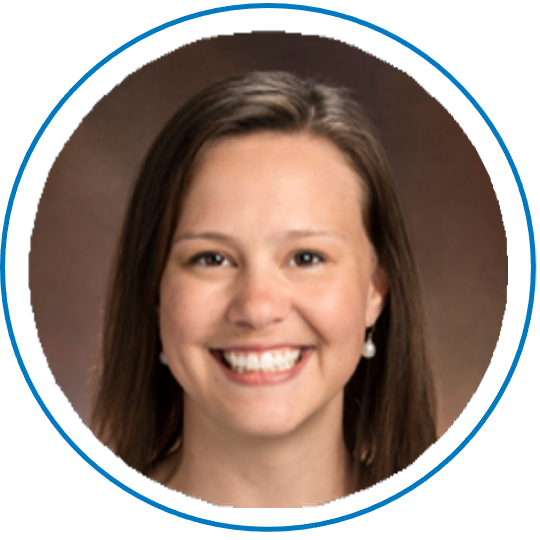
Jessica Foster, MD
Dr. Foster is a principal investigator in the Center for Childhood Cancer Research at CHOP. She is the hospital’s central nervous system CAR T-cell lead and a pediatric neuro-oncologist.
At CHOP, Dr. Foster is preparing her own clinical trials using an alternative approach to CAR T-cell development that may be safer for the brain. Instead of altering immune cells using viruses, her team uses mRNA to equip CAR T cells with cancer-fighting powers. This may allow doctors to control inflammation more effectively — an especially critical issue when treating brain tumors.
“You can think of it more like dosing a drug,” Dr. Foster says. “We can control how active the CAR T cells are and how much inflammation they create at a given time.”
Dr. Foster, who also cares for patients, relishes the chance to make a difference with MBI’s support. “Right now, when a child has relapsed medulloblastoma, we need to have a very difficult conversation with families,” she says. “I hope that with these new immune-based tools, we can soon have a completely different conversation — one that includes real hope.”
All three additions to MBI’s team work closely with Dr. Haydar to share data and enhance the DEFEAT-MB trial’s chances of success. Each hopes to help lead additional CAR T trials within the next two years. “We have the potential for two to three more studies,” Dr. Packer says.
The Power of Connection: MBI Paves Way for New Trial at Stanford
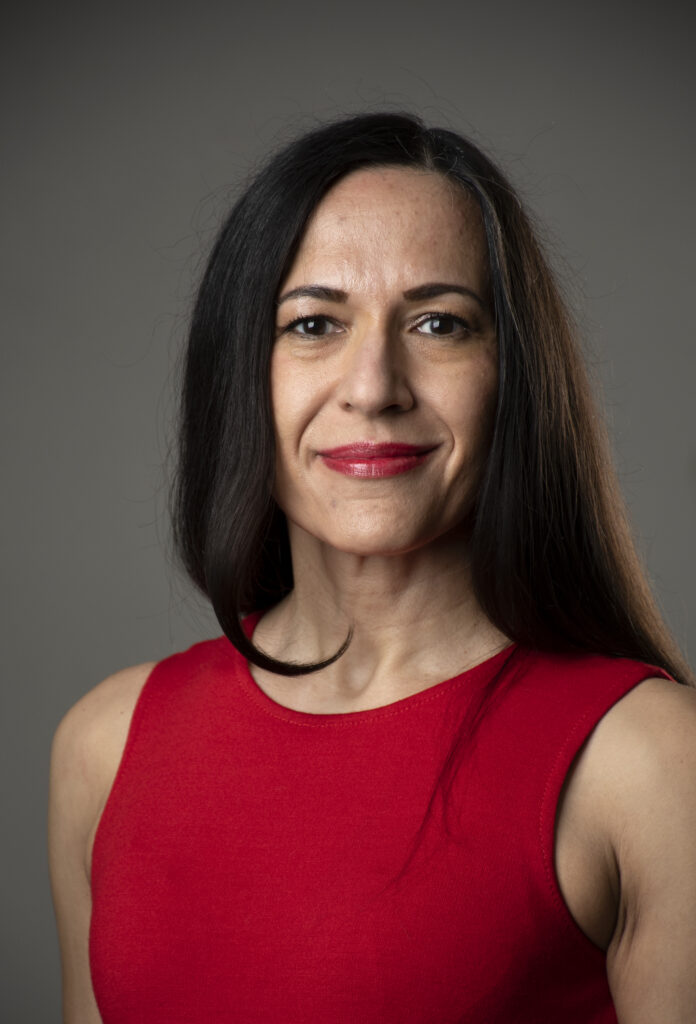
Sheila Singh, MD, PhD, achieved one of MBI’s first breakthroughs four years ago. Her lab at McMaster University in Ontario, Canada, produced the first two replicable human cell lines of Group 4 medulloblastoma.
Her cell model, established with MBI’s support, helped open a medulloblastoma arm within a CAR T-cell trial at Stanford University targeting GPC2 proteins. MBI’s upcoming DEFEAT-MB study at Children’s National shares this target in tandem with B7-H3 proteins.
Dr. Singh, who now leads the School of Cancer & Pharmaceutical Sciences at King’s College London and guides her MBI lab in Canada, helped by using the cells she developed with MBI’s support. The results were striking. The CAR T cells boosted survival against medulloblastoma by more than 500% in her experimental model.
“I’ve never seen anything like that,” Dr. Singh says. Those findings helped justify opening the Stanford trial, led by Crystal Mackall, MD. Sabine Heitzeneder, MD, a past attendee of MBI consortium meetings, helps lead the trial.
Dr. Singh celebrates how MBI continues to transform the field of medulloblastoma research. More trials increase the likelihood of breakthroughs. “We’re taking multiple shots on goal,” she says. “That’s exactly what patients need.”
Scan the QR code to read
the full article.

Dr. Singh acknowledged MBI in her paper “Novel models of group 4 medulloblastoma for accelerated preclinical discovery,” published in Neuro-Oncology Pediatrics
OTHER SCIENTIFIC UPDATES
Organoid Development
MBI labs at Children’s National, Columbia University, the German Cancer Research Center and the University of California San Francisco continue to make strides toward developing a powerful medulloblastoma-specific research tool. Organoids, three-dimensional structures built from stem cells or patient samples, promise to recreate human tumors with greater accuracy than animal models.
Liquid Biopsy
The consortium’s liquid biopsy lab — led by Javad Nazarian, PhD, at Children’s National — is refining a test that could dramatically improve both care and treatment. Liquid biopsy allows clinicians to detect and monitor tumor development through a simple body fluid sample. This approach reduces discomfort and costs for families while enabling more precise care and earlier intervention. The arrival of Patrick “P.J.” Cimino, MD, PhD, a world-renowned molecular neuropathologist, at Children’s National in October 2025 further strengthened these efforts. Together, Drs. Nazarian and Cimino aim to validate the test this year.
Molecular Drug Development
MBI investigators continue to develop multiple candidates for future drug trials. Potential therapies include ONC206, being developed by Tobey MacDonald, MD, at Emory University School of Medicine, and Rapalink-1, led by Vijay Ramaswamy, MD, PhD, at the Hospital for Sick Children in Toronto, Canada.
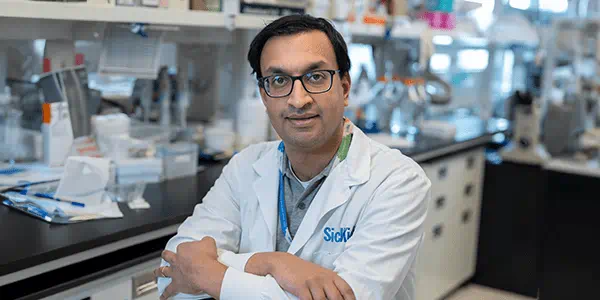
Dr. Vijay Ramaswamy leads an MBI lab at the Hospital for Sick Children in Toronto, Canada (SickKids)
A Landmark Agreement in Brazil
On November 5, 2025, Einstein Hospital Israelita and MBI signed a scientific agreement to accelerate research and treatment for pediatric brain tumors.
Founded in 1955, Einstein Hospital Israelita is recognized as a global leader in healthcare, research and social responsibility. Newsweek ranks it 16th among the world’s hospitals, making it the highest-ranked institution in both the Southern Hemisphere and Latin America.
Through this partnership, MBI will collaborate with the hospital to promote knowledge exchange and support future clinical trials.
Following the historic signing, Dr. Packer delivered a lecture titled “Transforming the Landscape of Medulloblastoma Research and the MBI Model for Global Impact.” The presentation emphasized the importance of strategic collaborations in advancing the search for new therapies.
MBI will announce additional joint initiatives with Einstein Hospital Israelita in the coming months to further education and scientific knowledge in the field.
❝ Thanks to the efforts of MBI, we will be able to offer Brazilian patients the opportunity to access experimental treatments through clinical trials.
- Dr. Luiz Vicente Rizzo, Director of Research at Einstein Hospital Israelita
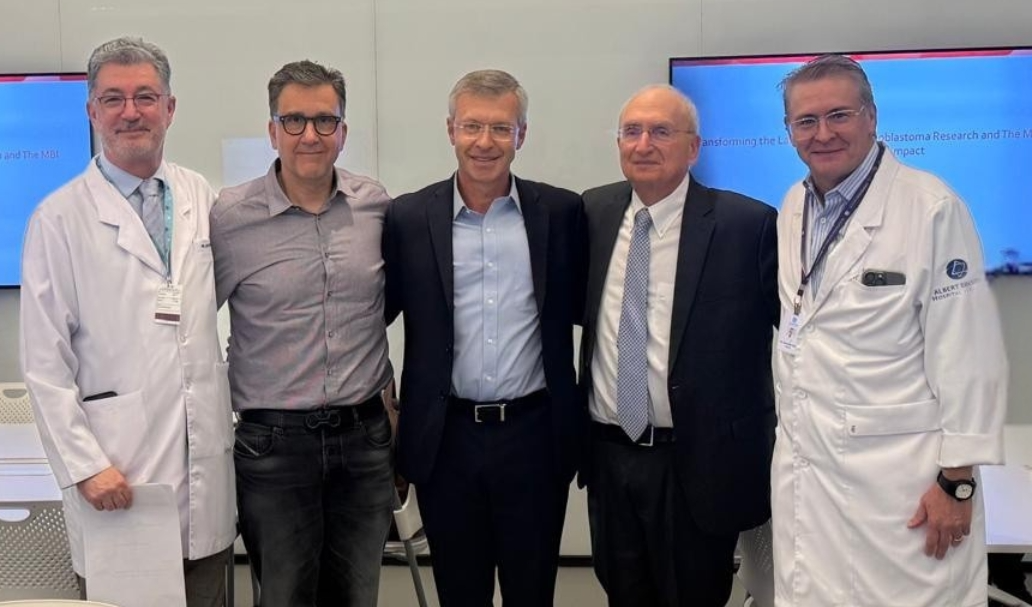

From left: Dr. Rizzo; Mr. Goldsztein; Dr. Sidney Klajner, President of Einstein Hospital Israelita; Dr. Packer; Dr. Fernando Bacal, Vice President of Einstein Hospital Israelita.
Strengthening the MBI Team
MBI’s research is funded entirely through private philanthropy. In May, we welcomed two new executive directors to expand our fundraising capacity. Bothbring extensive nonprofit experience and are already helping amplify hope for thousands of children around the world.
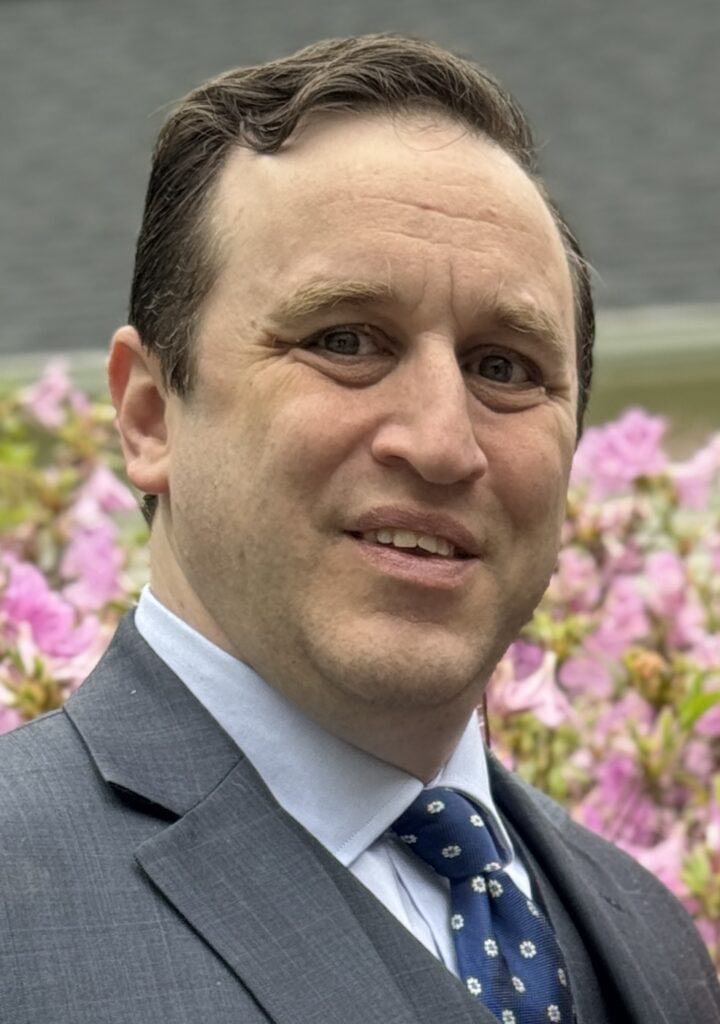
James R. Graham
Executive Director U.S.
James R. Graham is a senior philanthropic strategist with more than 25 years of experience in healthcare, higher education, faith-based and nonprofit fundraising. Throughout his career, he has helped secure more than $100 million through major gifts, partnerships, grants and campaign initiatives.
❝ In my 25-year career, I’ve worked with some remarkable institutions - but none with leadership this passionate at such a pivotal moment. MBI is making extraordinary strides in research. By expediting the clinical trial process, they’ve created tremendous hope for the families of these brave children and set a new standard in research partnerships that will serve as a model worldwide. I’m proud to join an organization making this kind of impact.”
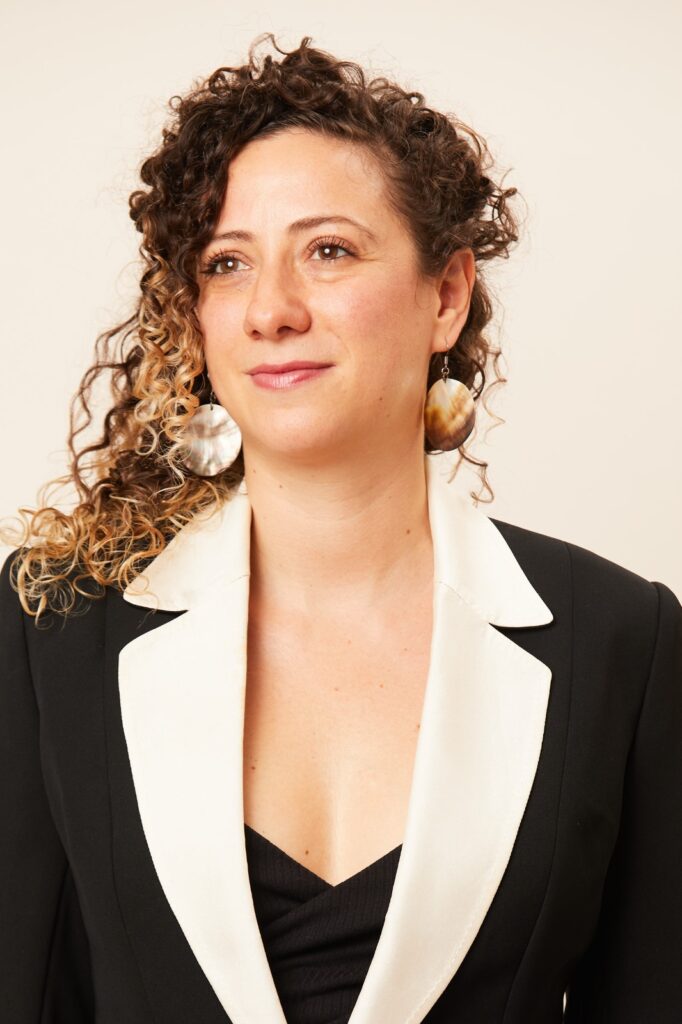
Natasha Alexander
Executive Director Latin America
Natasha Alexander brings more than 20 years of fundraising and marketing leadership across global brands and nonprofits. She previously championed the United Nations for Refugees fundraising program in Brazil. Her academic and professional background spans France, Germany, Brazil and the USA. She has supported growth initiatives in more than 30 countries.
❝ Throughout my career in strategic growth, I have believed that transformative change happens when compassion is matched with action. MBI is redefining the horizon of research through pioneering scientific collaboration, accelerating breakthroughs and bringing renewed hope to children with medulloblastoma and their families. I am honored to help expand this mission. For every child fighting cancer, every donor becomes part of the cure.”
BRAVE KIDS ❤️
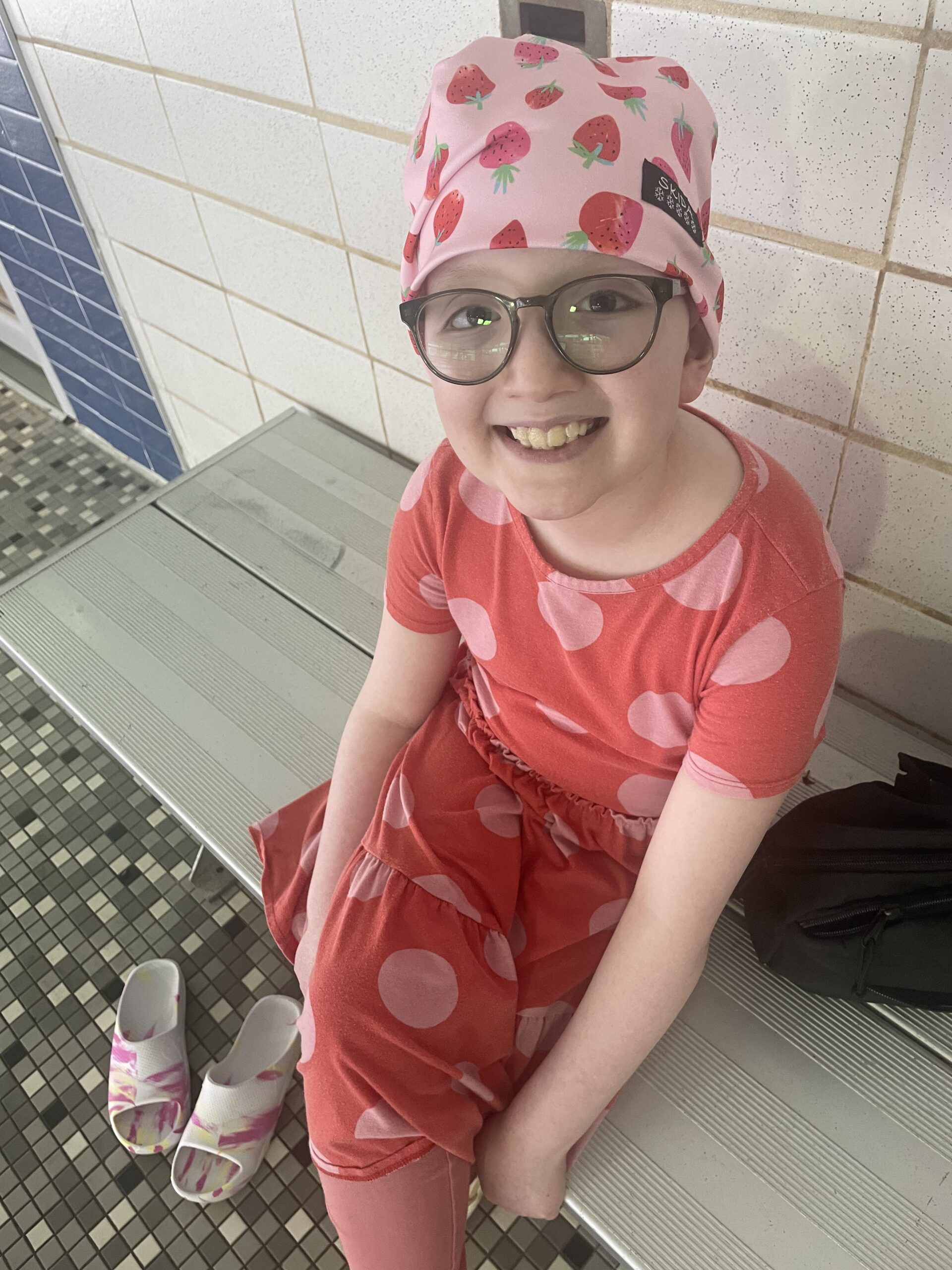
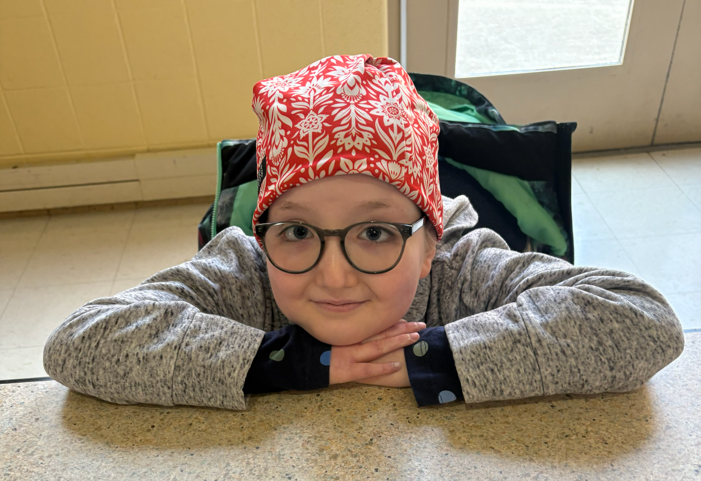
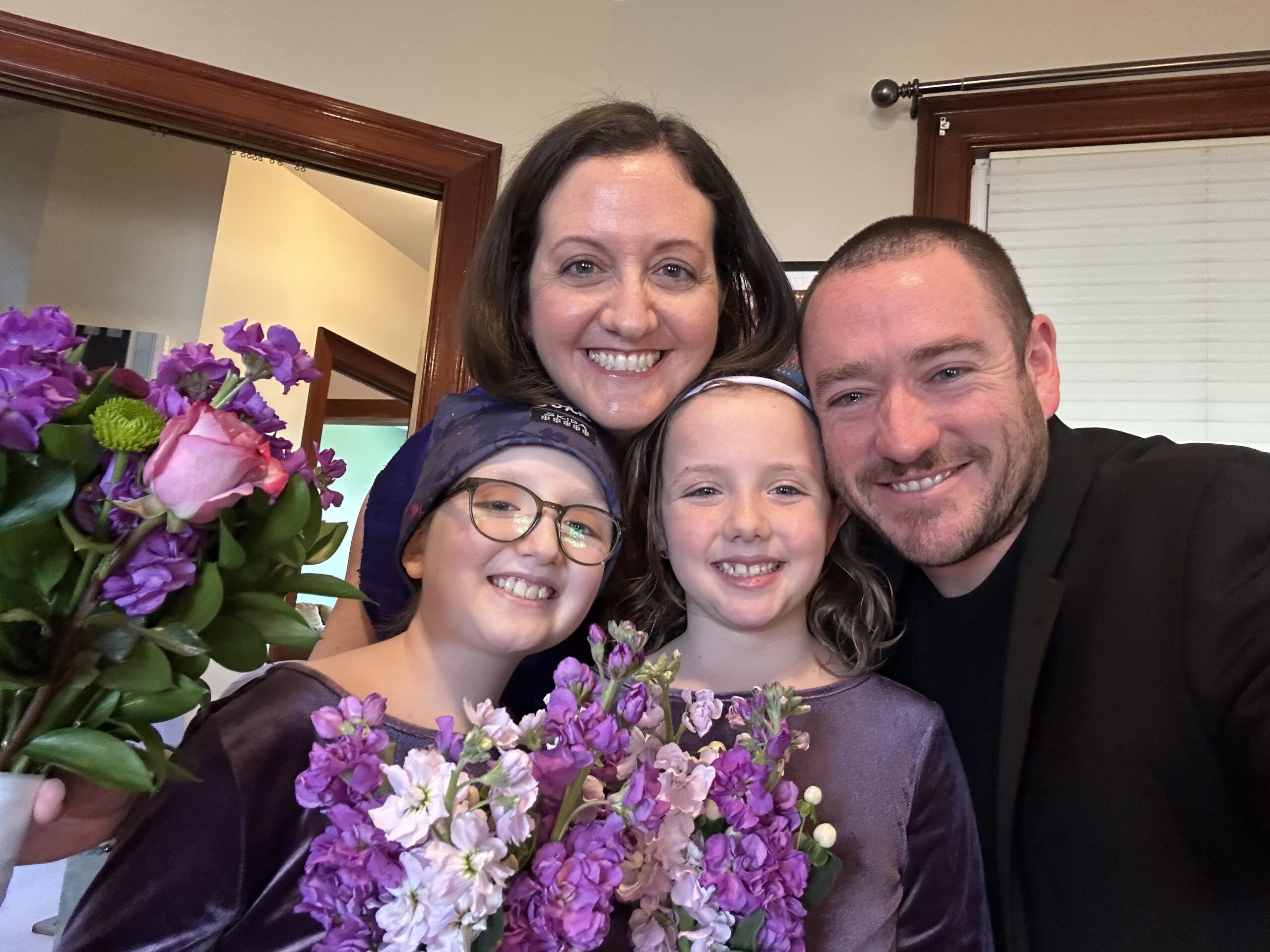
A Promise for Kasey
By Alyssa and Joe Zachmann
Our daughter Kasey was a creative, artistic and incredibly compassionate kid. She was always thinking about other people, always really attuned to other people’s feelings and emotions.
We learned Kasey had medulloblastoma in 2021, and our world instantly changed. We were hopeful after her initial treatment at Children’s National.
And then at the start of second grade, in 2022, we found out her cancer had come back. Throughout her treatment, when she was going through hard stuff, she was still thinking about other people.
Watching her go through difficult days was hard, but we have so many good memories from little moments in the three years that followed her relapse. So many families don’t get to do that. Kasey got to be a flower girl with her sister at a wedding. We’ll hold onto those memories forever. Kasey died in August 2025.
From the moment she relapsed, we’ve been really focused on research. There’s a lot of hope from ongoing research, but no one’s discovered a cure yet.
We promise to keep fighting until we find one in Kasey’s honor. That is why we are proud to support the Medulloblastoma Initiative.
A New Voice in the Fight Against Medulloblastoma
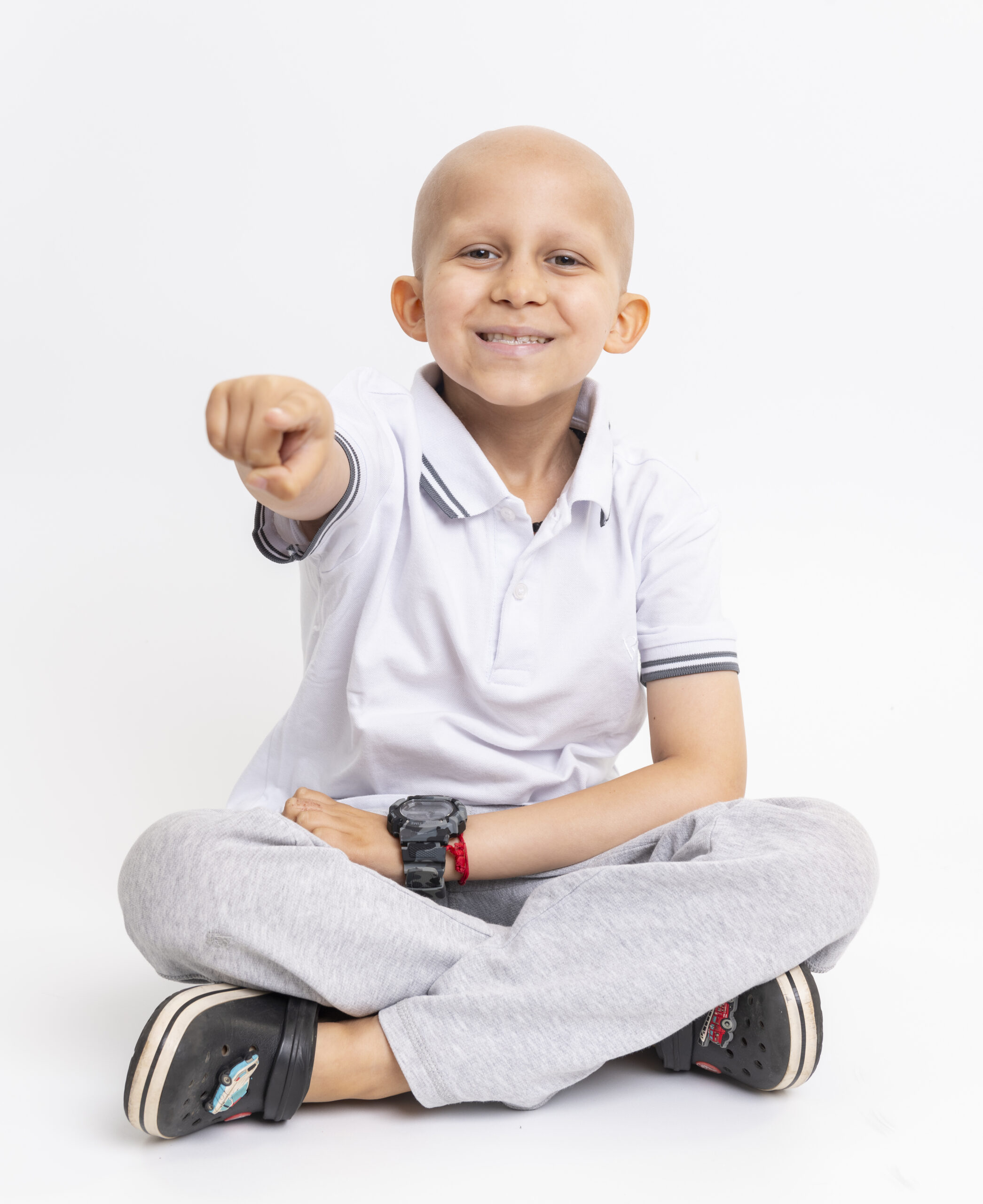
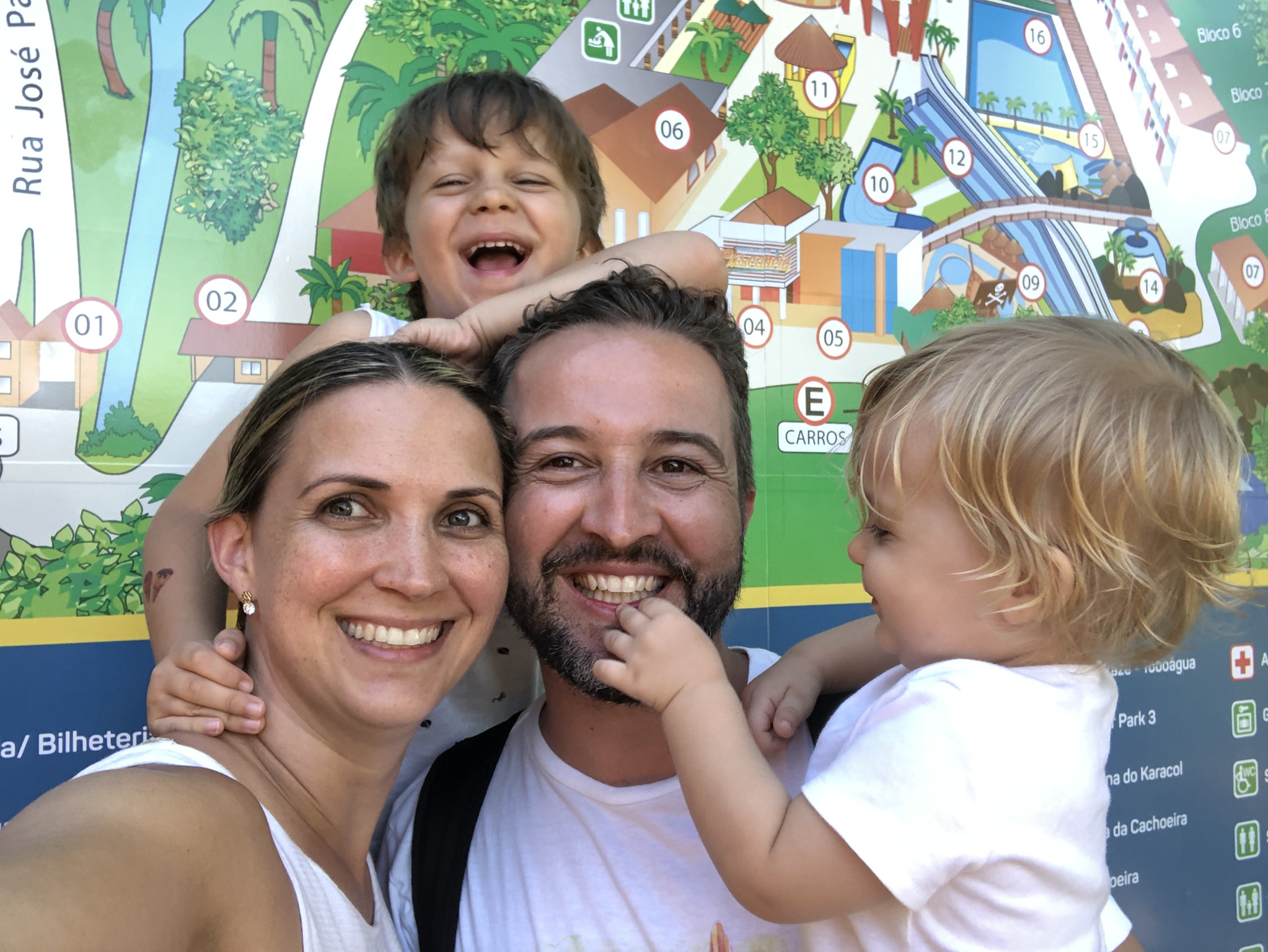
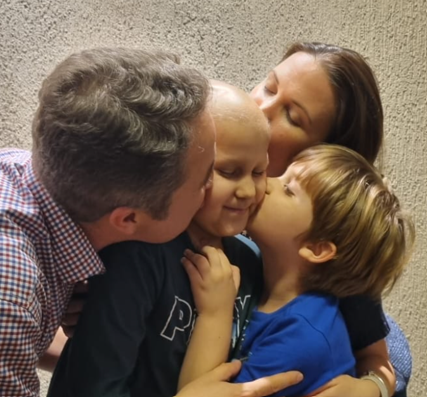
Sabrina Castro connects deeply to MBI’s mission. She is the mother of Lucas, who faced medulloblastoma with remarkable courage for five years and passed away in 2025. Since then, Sabrina has transformed her grief into purpose.
Ms. Castro lives in São José dos Campos, São Paulo, Brazil, with her husband, André, and their younger son, Matheus, 7.
She has become one of MBI’s most important community activists, especially since Lucas’ passing. She mobilizes support in her city, across Brazil and worldwide. She inspires others to get involved and provides a source of strength for families affected by the disease.
Her story reminds us why we do what we do — and for whom we continue to fight.
MBI MAKES THE NEWS
Some of the most significant media organizations in the world shared MBI’s story over the last year:
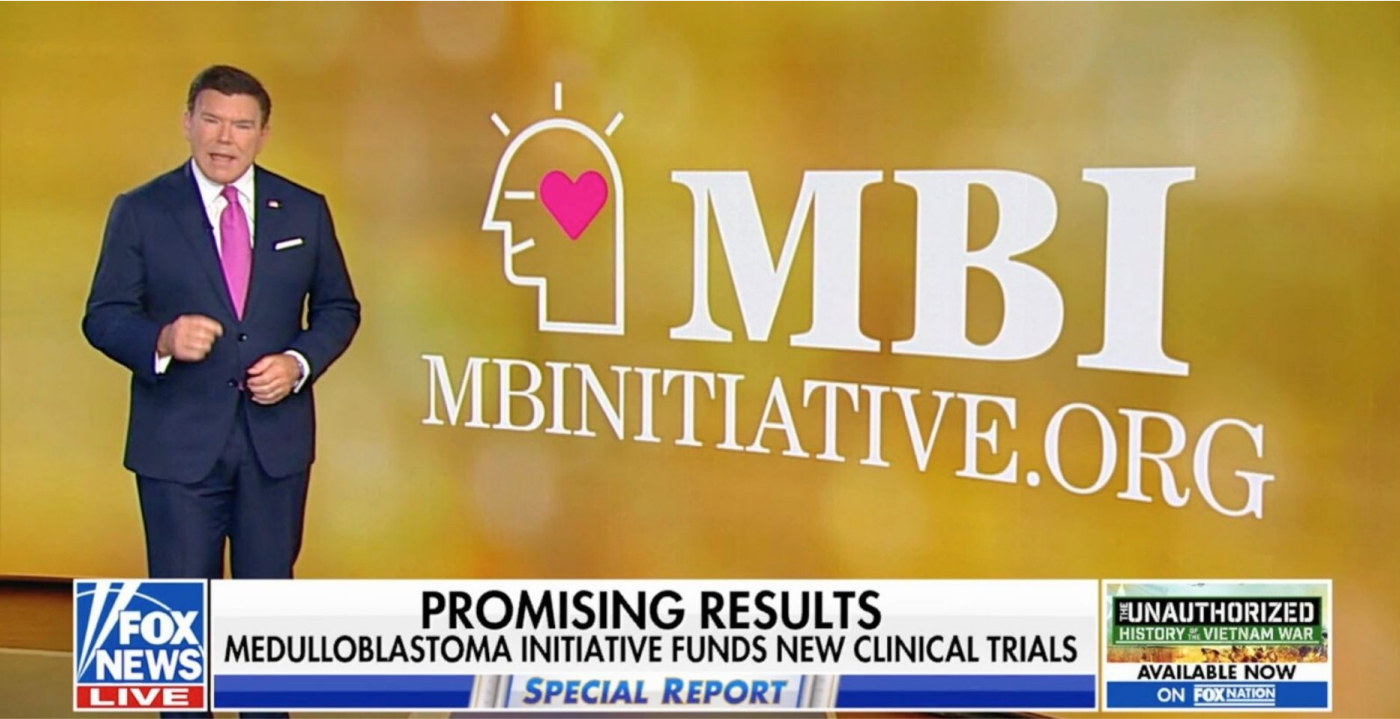
Fox News Channel, a popular U.S. news network, hosted Mr. Goldsztein for a Special Report interview with Bret Baier, an anchor at the network.

MIT News
MIT News shared that the MIT Sloan School of Management selected last year’s feature story on MBI as one of the school’s top 10 alumni stories in 2025.

MS Now
MS Now, formerly MSNBC, another prominent U.S. news network, featured Mr. Goldsztein on its Morning Joe program for a scientific discussion about the potential of MBI’s immunotherapy trials.
The awareness these publications raise reflects our community’s collective efforts to make a difference for every child with medulloblastoma.
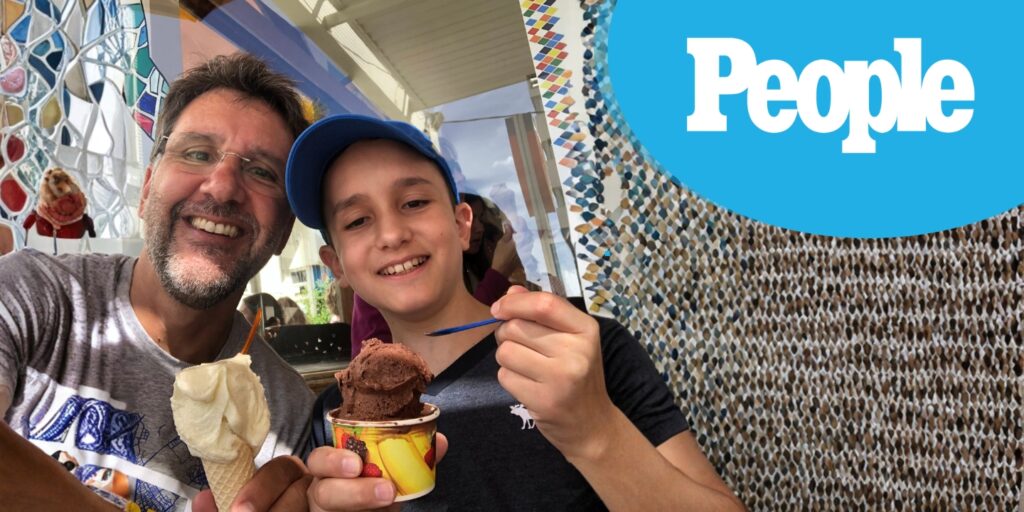
People, a news magazine read worldwide and known for powerful human-interest storytelling, highlighted MBI’s mission in a feature story.

Fantástico
Fantástico, one of the most influential and longest-running programs on Brazilian television, produced a feature on the Goldsztein family and MBI for its
approximately 33 million viewers.

The Washington Post
The Washington Post, one of the largest and most respected newspapers in the U.S., published a letter to the editor from Mr. Goldsztein, who called for increased investment in pediatric cancer research.
ABOUT MBI
A story that needs to be told
In 2015, a boy named Frederico was diagnosed with medulloblastoma. He was nine. Four years later, his tumor relapsed. His father, Fernando Goldsztein, refused to accept that doctors lacked treatment options for the boy. They were blessed to cross paths with Dr. Packer, an internationally acclaimed pediatric neurologist.
Dr. Packer and Mr. Goldsztein came up with the idea of creating a research consortium laser-focused on finding a cure for medulloblastoma. That idea became MBI’s cornerstone.
Cancer is complex. MBI is proud to work alongside public and private institutions to help address the challenges patients face. We focus on research to complement global efforts.
Our goal is ambitious and urgent. Our mission is clear: we raise funds to enable high-level scientific research and help unlock a cure for medulloblastoma.
You can help us save thousands of children. Please make a donation and spread the word.
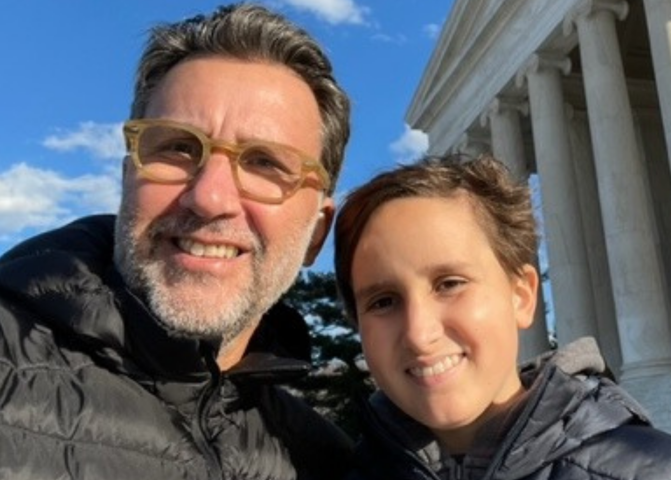
Fernando and Frederico Goldsztein in Washington, D.C.
What is MBI?
The Medulloblastoma Initiative is a non-profit, philanthropic organization that funds scientific research on medulloblastoma, the most common malignant brain tumor in children, which impacts an estimated 15,000 kids every year.
Why Medulloblastoma
Research Needs the MBI

The current treatment was developed in the 1980s and is highly toxic and ineffective.
Many kids still die if the tumor returns after the initial treatment.
Very limited funding is available for pediatric cancer research, including medulloblastoma, which is considered a rare disease.
Without funds, not even the most basic research can be performed and it is very difficult to propose and develop new treatments.
How MBI Makes a Difference
MBI-supported labs work together and share data before publication. This collaborative approach accelerates the development of effective treatment protocols, with the goal of delivering new therapies to patients as quickly as possible.
In an extraordinary milestone for our mission, children are now receiving the first experimental treatments in clinical trials developed and funded by MBI.
In just a few years, we have achieved progress that typically takes a decade or more. Our impact marks the beginning of a new chapter.
MBI & Children’s National: A Unique Partnership
MBI raises donations managed by Children’s National — one of the top 10 pediatric hospitals in the U.S., according to U.S News & World Report. Your philanthropy supports the work of a consortium including 16 world-class labs in the U.S., Canada and Germany.

CONSORTIUM PARTNERS
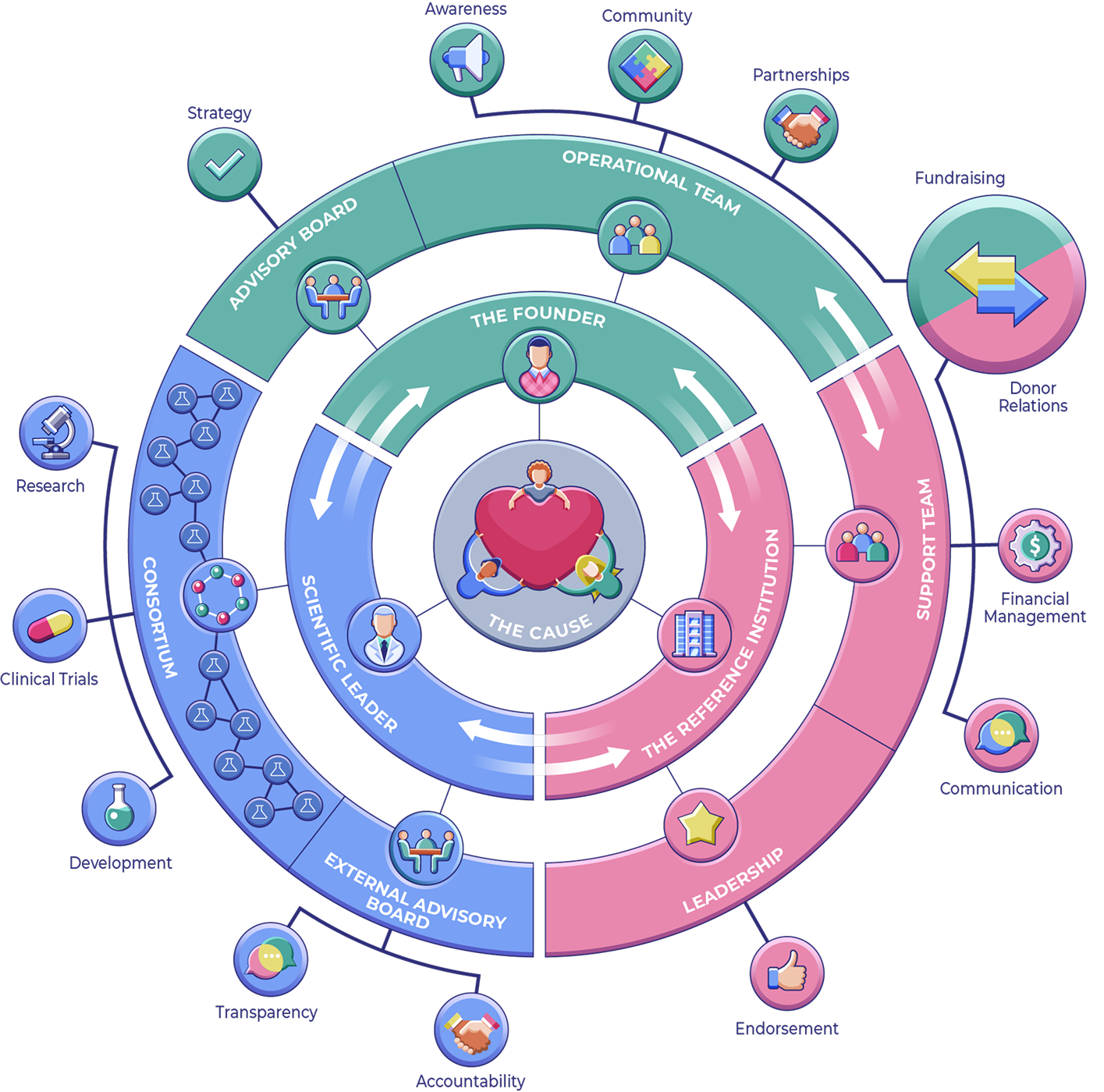
The MBI Model
MBI employs a structured and reliable model to transform a health cause into an effective initiative. It connects a powerful story, a leading scientific expert,
a reference institution and a research consortium focused on results. This combination ensures a clear strategy, credibility and measurable impact.
The Medulloblastoma Initiative
Scientific Consortium
Children’s national Hospital

❝ The MBI blueprint for funding cures for rare diseases is replicable, and likely to disrupt the standard way health care research is funded and carried out by radically shortening the timeline.”
- MIT Sloan School of Management article, January 21st, 2025

Are you still using these technologies?
The 1980s: This is when the medulloblastoma treatment protocol was established. Doctors worldwide still use it today. In addition to not curing up to one out of every three patients, existing treatments lead to severe lifelong side-effects for survivors.
MBI knows that research can change this sad reality. That is why we work to link private donors to leading scientists. You can join us now by spreading the word and making a donation to offer new hope and a cure for kids everywhere.
Help Now!

Scan to donate
Report #10
MBI TEAM
Fernando Goldsztein
Founder
Mauro Dorfman
Strategic Leader
Martina Fischer
Philanthropy & Relationships Manager
Alessandra Chang
Project Manager
Iago Paz
Design and Social Media
James Graham
Executive Director U.S
Natasha Alexander
Executive Director Latin America
André Fay
Volunteer Advisor
Sabrina Castro
Volunteer Advisor
Claudia Buchweitz
Copy Editing
Children’s National
Hospital Foundation
Kerri Yoder Hubbard
Associate Vice President,
Major and Principal Gifts
Andrew Miller
Director of Development,
Neurosciences & Behavioral Medicine
Emma Younger
Development Assistant,
Neurosciences & Behavioral Medicine
❝ Whoever saves one life saves the world entire.❞
— The Talmud



Can we offer HOPE to children
with deadly brain tumors?
The MBI answers YES.

Support the MBI today